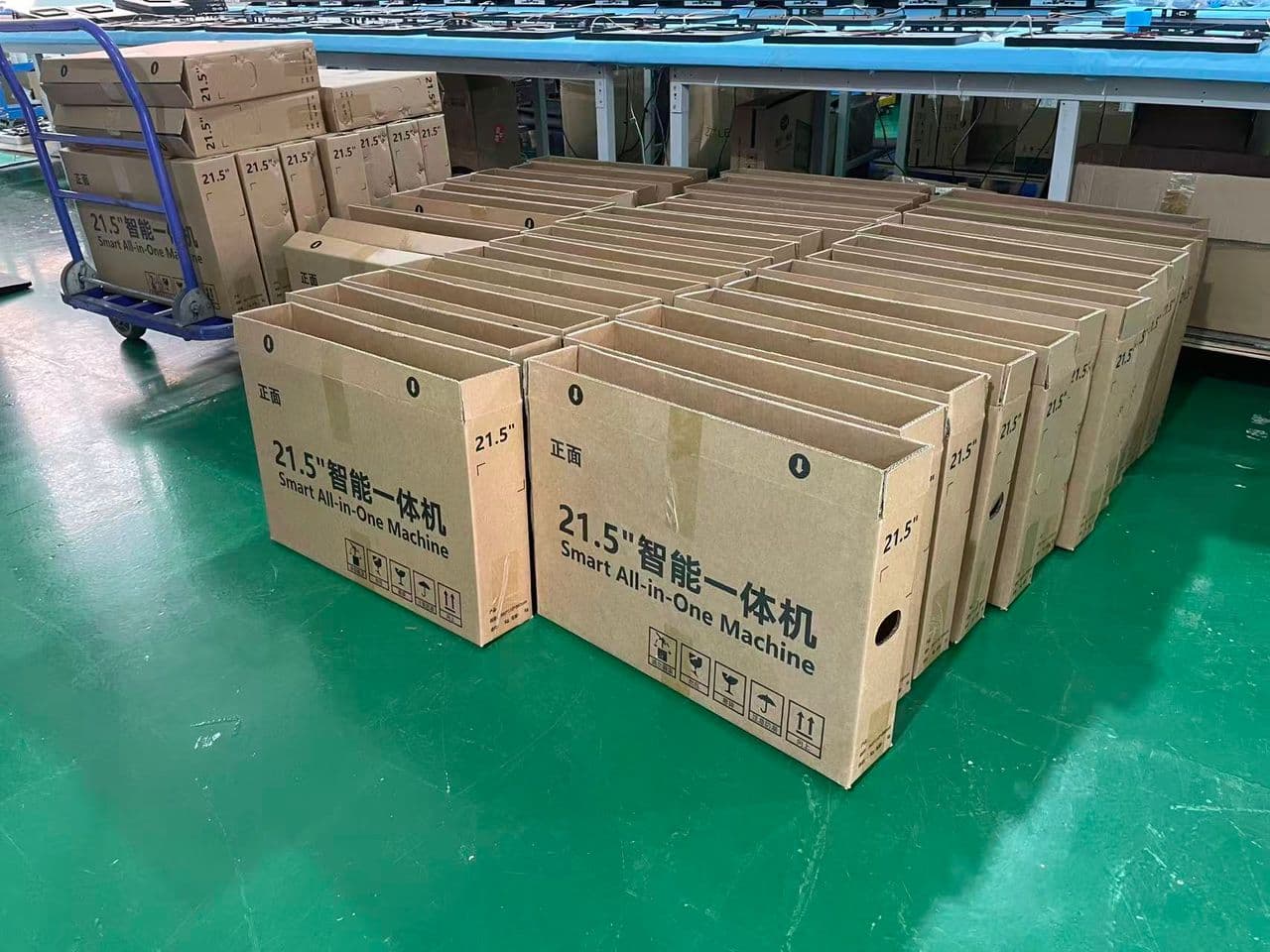
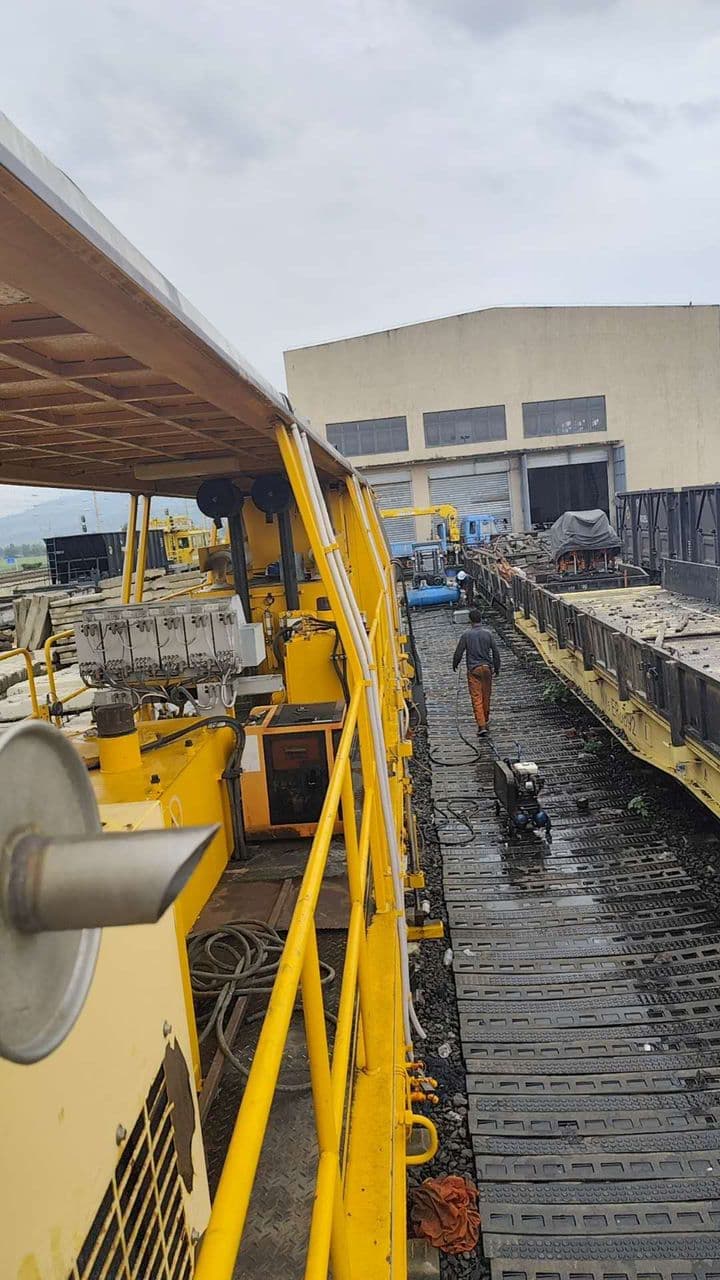
The Ethio-Djibouti Railway is one of the most strategically important pieces of infrastructure in the Horn of Africa, connecting landlocked Ethiopia to the port of Djibouti. Keeping it running is a continuous logistics challenge in its own right: rolling stock, track systems and workshop machinery all require a steady, reliable supply of maintenance parts and technical support.
What maintenance supply actually involves
Railway maintenance is not a single procurement event. It is an ongoing relationship between the operator, the workshop technicians, and a supply partner who understands both the technical specification of the rolling stock and the realities of getting parts to a maintenance yard on schedule.
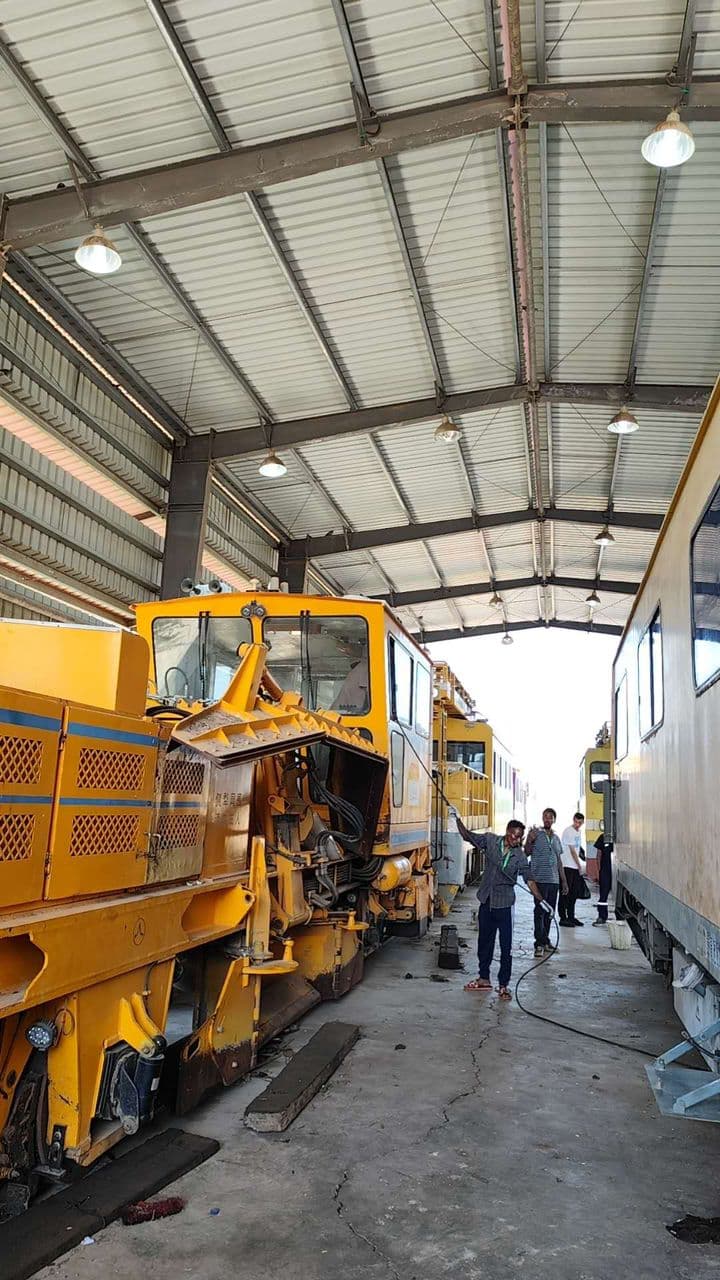
- Bogie and wagon component sourcing from qualified manufacturers, matched to exact technical specifications.
- Workshop machinery and tooling for on-site repair and servicing capability.
- Coordination between technical teams on-site and manufacturing partners in China.
- Stakeholder engagement to align delivery schedules with operational maintenance windows.
A railway corridor is only as reliable as its maintenance supply chain. Downtime on a cross-border line has consequences well beyond the workshop.
Birara Dragon Bridge, Railway Supply Division

Why this work matters beyond one contract
Infrastructure supply of this kind is judged over years, not single shipments. A maintenance partner has to be present for the routine servicing as much as the urgent repair, and has to keep both the technical teams and the manufacturers aligned on specification, lead time and quality. That consistency is what keeps a corridor like the Ethio-Djibouti Railway operational, and it is the standard we hold our railway supply work to.
Birara Dragon Bridge Team
Railway Supply Division